
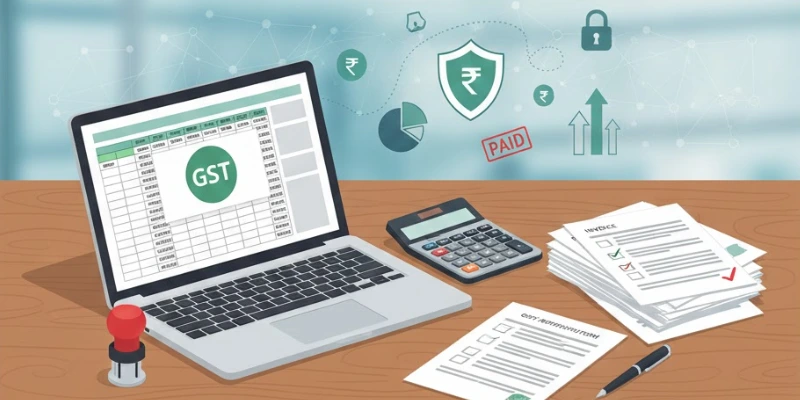
Understanding GST filing is a major challenge for students and fresh professionals entering accounting, finance, or business roles. Many struggle with concepts like return types, due dates, and compliance rules, which often come up in interviews and practical work. For learners aiming to build confidence in taxation fundamentals, GST Course in Trichy helps connect theoretical GST concepts with real-world filing practices that employers expect today.
Understanding the Purpose of GST Filing
GST filing is the process through which registered businesses report their sales, purchases, tax collected, and tax paid to the government. It ensures transparency and helps the government track tax flow across the supply chain. For beginners, understanding why GST returns exist is more important than memorizing forms. Interviewers often check whether candidates understand compliance intent rather than just procedural steps.
Regular filing also helps businesses claim input tax credit correctly. Missing or incorrect filings can lead to penalties and blocked credits. This is why professionals handling GST must clearly understand how returns support accountability and smooth business operations.
Types of GST Returns Explained
GST includes multiple return types, each designed for a specific purpose. GSTR-1 focuses on outward supplies, while GSTR-3B summarizes tax liability and payment. There are also annual returns that consolidate yearly data. Beginners should understand what information goes into each return and who needs to file them. Rather than learning forms mechanically, it helps to see returns as data summaries of business activity. This approach makes it easier to answer scenario-based interview questions where employers test conceptual clarity instead of form numbers.
Who Needs to File GST Returns
Not every registered person files the same returns. Filing requirements depend on business type, turnover, and registration category. Regular taxpayers, composition dealers, and e-commerce operators all follow different filing rules. Understanding this distinction is critical for real-world accounting roles. Freshers are often asked how filing differs between small traders and larger businesses. Clear answers show practical awareness. This knowledge also helps avoid compliance mistakes when handling client data or company accounts in junior accounting roles.
Filing Frequency and Due Dates
GST returns must be filed monthly, quarterly, or annually depending on eligibility and scheme selection. Missing deadlines leads to late fees and interest, which directly affects businesses. Professionals handling GST must track due dates accurately and ensure timely submission. This is where accounting software skills become essential. Learners who practice compliance workflows using tools taught in Tally Course in Trichy gain better clarity on how filing schedules integrate with daily accounting tasks and statutory reporting.
Common Errors Made During GST Filing
Beginners often make mistakes like incorrect invoice details, mismatched data between returns, or wrong tax classification. These errors can cause notices from tax authorities and block input tax credit claims. Understanding common pitfalls helps professionals avoid costly compliance issues. Interviewers frequently ask about mistakes and corrections to assess real-world readiness. Candidates who can explain how errors happen and how to fix them demonstrate practical exposure rather than just textbook knowledge.
Importance of GST Returns for Career Growth
GST knowledge is no longer limited to tax consultants. Accounts executives, finance analysts, and even business owners need GST filing awareness. Companies prefer candidates who understand compliance responsibilities and can support audits or tax reviews confidently. With growing demand across regions, learning GST concepts aligned with job expectations in areas GST Training in Erode helps freshers match local employer requirements and improve placement opportunities in accounting and finance roles.
Role of Documentation and Record Keeping
Accurate records are the backbone of GST compliance. Invoices, credit notes, debit notes, and purchase records must be maintained properly to support return filings. Good documentation ensures smooth reconciliation and reduces the risk of disputes. Professionals who understand documentation workflows are trusted with higher responsibilities. This skill is often evaluated during interviews through practical questions or real-time data handling tasks.
GST filing and returns may seem complex initially, but clarity comes with structured understanding and consistent practice. Beginners who focus on concepts, compliance logic, and practical application build long-term confidence in taxation roles. Developing these skills with support systems like Tally Course in Erode can help learners stay future-ready and adapt easily to evolving GST regulations.
Also Check: What is GST? and Types of GST